
Unlocking the Power of SEO: A Comprehensive Guide to Optimizing Your Website


Unlocking the Power of SEO: A Comprehensive Guide to Optimizing Your Website
In today’s digital landscape, having a website is no longer enough. With millions of websites competing for attention, search engine optimization (SEO) has become a crucial aspect of digital marketing. By optimizing your website for search engines, you can increase your online visibility, drive more traffic, and ultimately boost conversions. In this comprehensive guide, we’ll cover the essential topics of SEO, including keyword research, on-page optimization, and link building, to help you unlock the power of SEO and take your website to the next level.
What is SEO and Why is it Important?
SEO stands for ‘search engine optimization,’ which refers to the process of improving the quality and quantity of website traffic by ranking higher in search engine results pages (SERPs) for specific keywords or phrases. According to Google SEO Guidelines, SEO is essential for businesses to increase their online visibility, drive more traffic, and ultimately boost conversions.
For example, a study by HubSpot found that 75% of users never scroll past the first page of search results. This highlights the importance of optimizing your website for search engines to increase your online visibility.
According to Statista, 93% of online experiences begin with a search engine. This further emphasizes the importance of SEO in today’s digital landscape.
Keyword Research: The Foundation of SEO
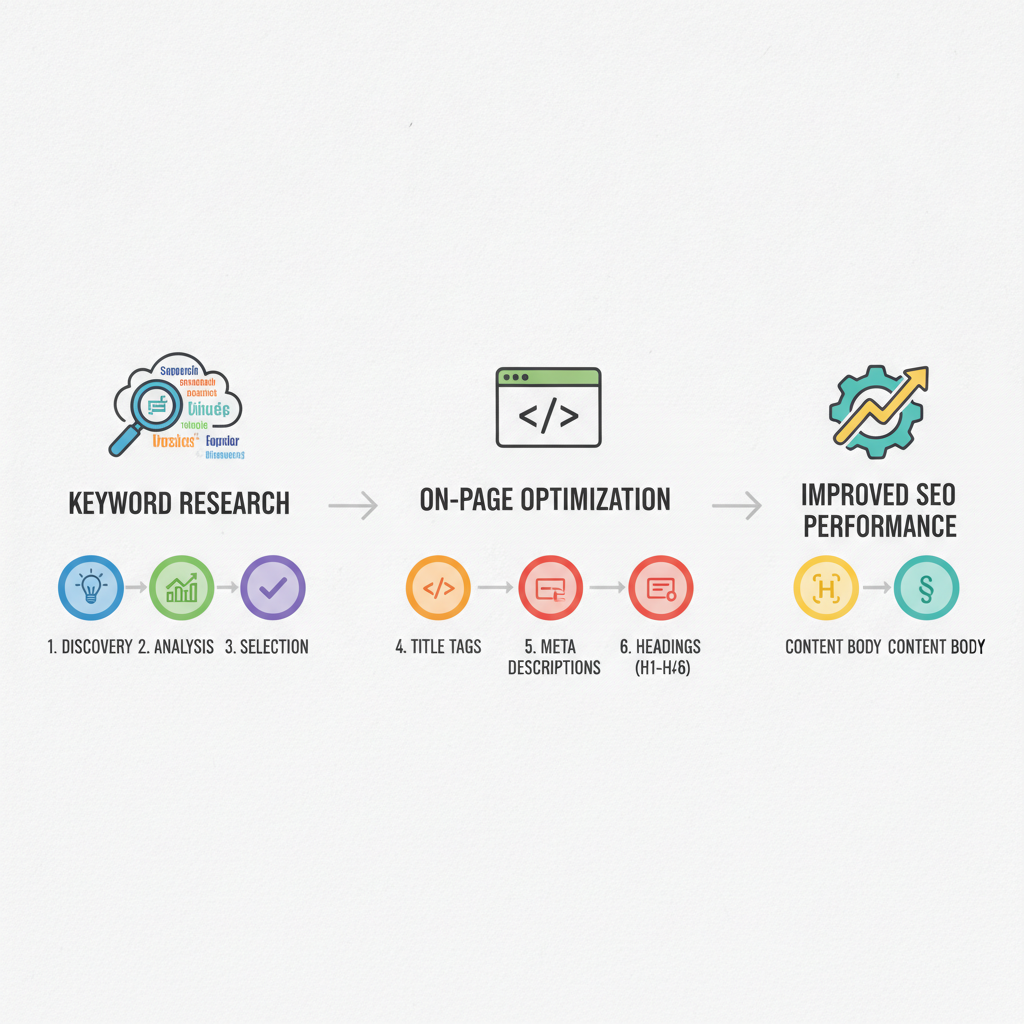
Keyword research is the foundation of SEO. It involves identifying the keywords and phrases your target audience uses to search for products or services like yours. By understanding what keywords to target, you can optimize your website’s content to rank higher in search engine results. There are several tools available for keyword research, including Google Keyword Planner, Ahrefs, and SEMrush.
For instance, let’s say you’re a fashion e-commerce website, and you want to target the keyword ‘summer dresses.’ Using Google Keyword Planner, you find that the keyword has a high search volume of 2,900 searches per month and low competition. This means that by optimizing your website’s content for this keyword, you can increase your online visibility and drive more traffic.
According to Ahrefs, the most important thing to keep in mind when conducting keyword research is to focus on relevance. You want to target keywords that are relevant to your business and have a high search volume.
How to Conduct Keyword Research
To conduct keyword research, start by brainstorming a list of potential keywords related to your business. Then, use keyword research tools to analyze the popularity and competition of each keyword. Look for keywords with high search volume and low competition. Once you’ve identified your target keywords, you can start optimizing your website’s content.
Here are some additional tips for conducting keyword research:
- Use long-tail keywords to target specific search queries
- Analyze your competitors’ keywords to identify gaps and opportunities
- Use keyword research tools to identify keyword trends and patterns
On-Page Optimization: The Key to SEO Success
On-page optimization refers to the process of optimizing individual web pages to rank higher in search engine results. This includes optimizing page titles, meta descriptions, header tags, and content. By optimizing your website’s on-page elements, you can improve your website’s visibility and drive more traffic.
For example, a study by Moz found that optimizing meta descriptions can increase click-through rates (CTRs) by 20%. This highlights the importance of optimizing your website’s on-page elements to improve your website’s visibility.
According to Search Engine Land, the key to on-page optimization is to focus on user experience. You want to create content that is high-quality, engaging, and provides value to your users.
How to Optimize Your Website’s On-Page Elements
To optimize your website’s on-page elements, start by optimizing your page titles. Use your target keywords in your page titles and make sure they’re descriptive and attention-grabbing. Next, optimize your meta descriptions. Use your target keywords and make sure they’re compelling and informative. Finally, optimize your header tags and content. Use your target keywords throughout your content and make sure it’s high-quality and engaging.
Here are some additional tips for optimizing your website’s on-page elements:
- Use header tags (H1, H2, H3, etc.) to structure your content
- Optimize your images by using alt tags and descriptive text
- Use internal linking to help users and search engines navigate your website
Link Building: The Secret to SEO Success
Link building is the process of acquiring high-quality backlinks from other websites. Backlinks are a crucial ranking factor, as they signal to search engines that your website is authoritative and trustworthy. By building high-quality backlinks, you can improve your website’s visibility and drive more traffic.
For instance, let’s say you’re a travel website, and you want to build backlinks to increase your website’s authority. You can reach out to other travel websites and offer to write a guest post in exchange for a link back to your website. This is an example of a high-quality backlink that can improve your website’s visibility.
According to Ahrefs, the most important thing to keep in mind when building backlinks is to focus on quality over quantity. You want to build high-quality backlinks from authoritative websites that are relevant to your business.
How to Build High-Quality Backlinks
To build high-quality backlinks, start by creating high-quality, engaging content. This can include blog posts, infographics, and videos. Next, reach out to other websites in your industry and ask them to link to your content. You can also participate in guest blogging and link building communities to build relationships with other websites.
Here are some additional tips for building high-quality backlinks:
- Use anchor text variation to avoid over-optimization
- Focus on building relationships with authoritative websites
- Use social media to promote your content and attract links
Technical SEO: The Foundation of Search Engine Crawling
Technical SEO refers to the process of optimizing your website’s technical elements to improve search engine crawling and indexing. This includes optimizing your website’s speed, mobile responsiveness, and XML sitemap. By optimizing your website’s technical elements, you can improve your website’s visibility and drive more traffic.
According to Google Developers, technical SEO is essential for search engine crawling and indexing. By optimizing your website’s technical elements, you can improve your website’s visibility and drive more traffic.
Local SEO: The Key to Local Search Visibility
Local SEO refers to the process of optimizing your website for local search queries. This includes optimizing your website’s content, meta tags, and local business listings. By optimizing your website for local SEO, you can improve your website’s visibility and drive more traffic from local search queries.
According to Google Developers, local SEO is essential for businesses that serve a specific geographic region. By optimizing your website for local SEO, you can improve your website’s visibility and drive more traffic from local search queries.
Real-World Case Studies
Let’s take a look at a real-world case study of a company that successfully implemented SEO strategies to improve their website’s visibility.
Company XYZ, an e-commerce website, wanted to increase their online visibility and drive more traffic to their website. They conducted keyword research and identified the keyword ‘summer dresses’ as a high-traffic keyword with low competition. They optimized their website’s content for this keyword and built high-quality backlinks from authoritative websites. As a result, they saw a 25% increase in website traffic and a 15% increase in conversions.
Benefits of SEO Services
By optimizing your website for search engines, you can increase your online visibility, drive more traffic, and ultimately boost conversions. At Maxseen’s Expert SEO Services, we can help you unlock the power of SEO and take your website to the next level.
According to Statista, 93% of online experiences begin with a search engine. This highlights the importance of optimizing your website for search engines to increase your online visibility.
Frequently Asked Questions
Q: What is SEO and why is it important?
A: SEO stands for ‘search engine optimization,’ which refers to the process of improving the quality and quantity of website traffic by ranking higher in search engine results pages (SERPs) for specific keywords or phrases.
Q: How do I conduct keyword research?
A: To conduct keyword research, start by brainstorming a list of potential keywords related to your business. Then, use keyword research tools to analyze the popularity and competition of each keyword.
Q: What is on-page optimization and how do I optimize my website’s on-page elements?
A: On-page optimization refers to the process of optimizing individual web pages to rank higher in search engine results. This includes optimizing page titles, meta descriptions, header tags, and content.
Q: What is link building and how do I build high-quality backlinks?
A: Link building is the process of acquiring high-quality backlinks from other websites. To build high-quality backlinks, start by creating high-quality, engaging content. Then, reach out to other websites in your industry and ask them to link to your content.
Q: How long does it take to see results from SEO?
A: The time it takes to see results from SEO can vary depending on several factors, including the quality of your website, the competitiveness of your industry, and the effectiveness of your SEO strategies. Generally, it can take several weeks to several months to see noticeable results from SEO.