
Agency Growth Playbook: Dental Implant Marketing That Converts


Agency Growth Playbook: Dental Implant Marketing That Converts
Quick Answer: Dental Implant Marketing drives steady patient-volume Growth when a specialist Agency aligns SEO, paid ads, and lead workflows to clear conversion thresholds and clinical compliance. We use a 7-step operational playbook that delivers predictable lead flow, shortens patient decision time, and improves case acceptance inside 90 days.
Why Dental Implant Marketing needs a specialist Agency
Generalist shops sell tactics. Implant programs are different — they require clinical nuance, an understanding of referral pathways, and copy that eases surgical anxiety. You need someone who knows how long treatment actually takes, what referral partners expect, and where regulatory red lines sit. We run Marketing from that clinical-and-business intersection every day.
Specialist teams cut wasted ad spend and raise qualified-lead rates because they target intent and clinical readiness, not generic traffic.
What does a specialist Agency actually change compared with a general Marketing firm?
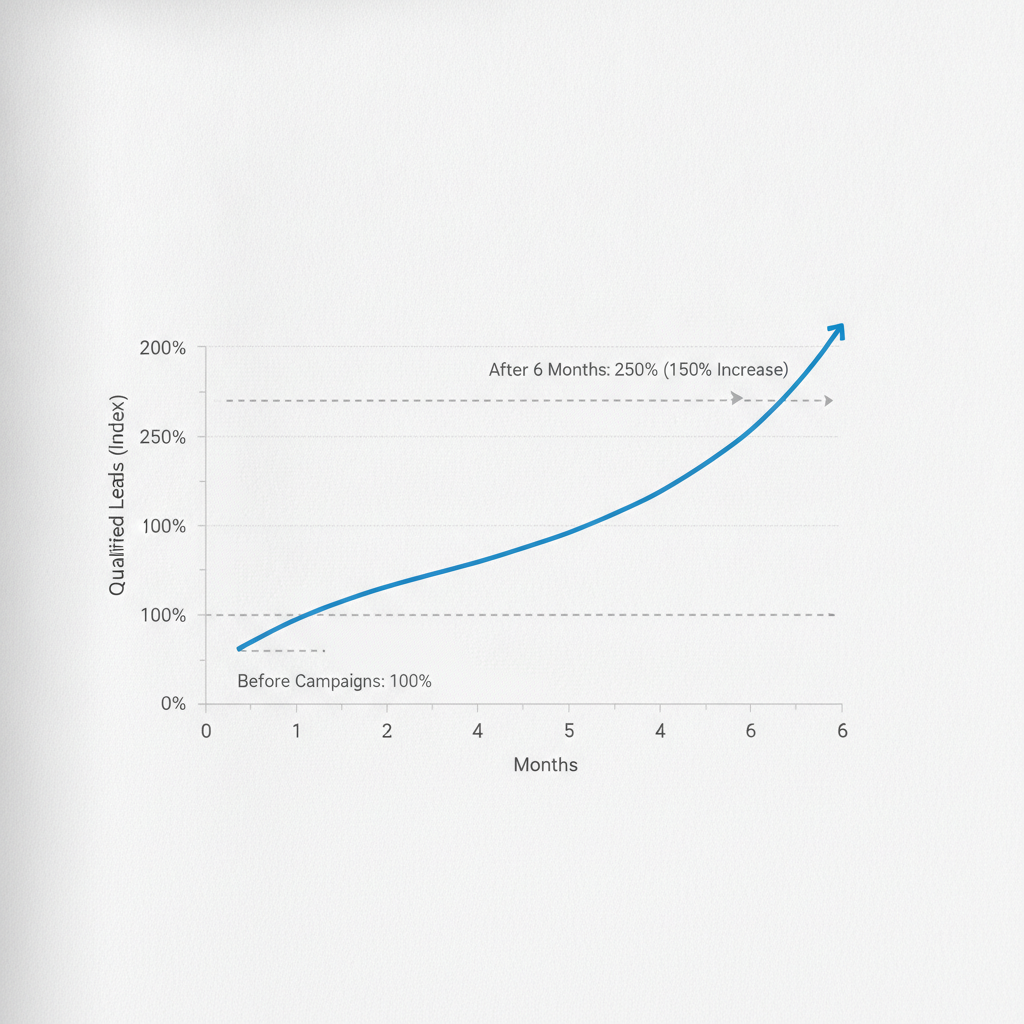
You get fewer raw leads and more consult-ready patients, faster triage, and better schedule conversion. Practically, a specialist changes three things: keyword intent mapping, ad creative that answers surgical concerns, and an intake that vets clinical candidacy before the first consult.
Prioritizing quality over quantity saves clinician time and raises case conversion.
Key benefits of hiring a Digital Marketing Agency for Dental Implant Providers
We break benefits into four measurable pillars: Dental expertise, data-driven search, lead workflows, and patient engagement. Those four move the needle.
- Expert Dental focus — copy and creative written for four decision stages: research, shortlist, consultation, and treatment choice.
- Data-driven SEO and paid ads — search and paid strategies that prioritize patient intent, lifetime value, and local reach.
- Lead-generation workflows — intake templates, automated qualification, and routing that reduce no-shows.
- Patient engagement — post-lead nurture by email and SMS that increases consult attendance and case acceptance.
Measure the right KPIs and you’ll see firm-level impact in 60–90 days.
Dental Implant Marketing: our editorial stance
We make one clear call: Marketing should start from the clinic, not from favored channels. Too many vendors propose SEO, social, or programmatic because that’s what they do well. That’s backwards. Start with the patient journey and surgical cadence, then choose channels that shorten time-to-consent.
Channel choice should follow the patient journey and clinical constraints, not Agency convenience.
Step-by-step: A numbered 7-step operational playbook for Dental Implant Marketing
We run this sequence whenever we launch or rescue an Implant program. Follow it and you remove guesswork.
- Audit clinical readiness (Days 0–3). Ask what Implant systems you use, whether you accept referrals, typical timelines, and whether you have photos and videos for patient education. Decision rule: if clinical FAQs or informed-consent language aren’t available, pause ad spend until materials are ready.
- Intent mapping and keyword clusters (Days 1–7). Build three clusters: research (“what are implants”), shortlisting (“best Implant dentist near me”), and transactional (“same-day Dental implants cost”). Create 8–12 landing pages: one clinic-level page, three city pages, and four to eight procedure pages. Target 20–40 long-tail keywords per locale for the first six months.
- On-page clinic and procedure pages (Days 4–14). Publish pages with a clear CTA, clinic credentials, procedure steps, financing options, and schema markup. Operational thresholds: H1 present, contact above the fold, and a 300–600-word top section that answers the patient’s most urgent objection.
- Local SEO & listings (Days 4–21). Clean up your Google Business Profile, ensure NAP consistency across citations, and add photos and service attributes. Rule of thumb: if GBP has fewer than five reviews, run a 90-day review campaign to reach 50+ reviews naturally.
- Paid ads with clinical creative (Days 7–30). Run two parallel campaigns: search intent and local remarketing. Budget split: 70% search, 30% remarketing. Set CPA ceilings based on practice capacity — for small practices, use average profit per case divided by three. Pause keywords with CTR under 2% after 14 days.
- Lead intake and qualification workflow (Days 10–45). Add phone tracking, online scheduling, and a three-step intake: contact details, main concern, and consult availability. Routing rule: leads who answer medical-history and financing questions route to the clinical coordinator within 15 minutes; all others go to a nurture queue with SMS and email cadence.
- Measurement, optimization, and reporting (ongoing; first review at Day 30). Track clicks → calls/forms → consults booked → consults attended → cases accepted. Action trigger: if consult-to-case acceptance drops below 25% at Day 60, audit consult scripting and pricing transparency.
This 7-step playbook makes Marketing a predictable operations problem instead of a lucky break.
How does a Digital Marketing Agency generate leads for Dental Implant Providers?
They align ad creative, SEO topics, and intake to patient intent and clinic capacity. We target high-intent keywords, serve tailored landing pages, and use strict intake scripts to qualify leads before a consult.
Matching intent at the moment of search raises the share of qualified leads significantly.
What budget should Dental Implant Providers set for paid campaigns?
Budget follows capacity and target CPA. A practical rule: run a three-month test with a budget equal to the revenue of one typical Implant case. That gives you enough data to set CPA goals. If you can’t do that, start at $2,500/month to gather meaningful signals.
Fund a real test; underfunding destroys learnings.
Paid search and social: practical settings and thresholds
Search captures intent; social builds awareness and retargeting. Set clear rules up front to avoid waste.
- Geo-targeting: city plus a 15-mile radius, exclude non-service ZIPs.
- Keyword match types: modified match for high-intent transactional terms, phrase for mid-funnel, broad for discovery with strict negatives.
- Ad scheduling: run ads during booking hours and 30 minutes after to catch late inquiries.
- Bid strategy: manual CPC in month one, then switch to target-CPA after 50 conversions.
Control spend early; let automation take over only after you have valid conversion data.
Dental Implant SEO: content, technical, and local signals
SEO is local and procedural. You must demonstrate clinic reliability and procedural authority. Our content mix and technical checklist map directly to patient questions during the decision window.
Publish focused procedure pages, city landing pages, and a clinician profile for each surgeon to win local queries.
- Content: procedural pages (400–1,200 words), FAQ snippets, and before/after galleries with moderated captions.
- Technical: mobile-first templates, clear contact schema, and fast load times based on your practice tolerance.
- Local: five or more recent reviews on Google Business Profile and consistent NAP across key directories.
When you discuss Implant devices and safety in patient-facing content, link to regulatory context. For example, point readers to official guidance: FDA: Implantable Dental Devices.
Lead generation for dentists: the intake and qualification workflow that works

Leads without qualification swamp staff. Build a clinical gate that protects time and improves conversion.
Require two clinical fields on forms and a 15-minute screening call for high-value leads.
Example intake fields we require:
- Primary concern, to assess urgency
- Any medical contraindications? Yes/no
- Preferred consult days and times
Routing rules matter: high-quality leads get immediate SMS confirmation and a phone call within 15 minutes. Lower-quality leads enter a seven-email nurture sequence that educates and invites a consult.
Patient engagement strategies that shorten time-to-treatment
Clear expectations move patients toward a decision. We combine email education, SMS reminders, and a single pre-consult call from the clinical coordinator.
One well-timed educational email plus an SMS reminder increases consult attendance more than extra ad spend does.
- Email cadence: three messages over 10 days pre-consult — welcome, procedure overview, financing options.
- SMS cadence: immediate confirmation, 48-hour reminder, two-hour pre-consult reminder.
- Post-consult: same-day thank-you email and a 72-hour follow-up sequence focused on testimonials and financing clarity.
Common mistakes practices make (and what to do instead)
Clinics repeat the same errors. Here are the top five and the fixes we recommend.
- Launching ads before the intake workflow is ready — pause paid spend until qualification and routing are configured.
- Overvaluing impressions — measure consults and cases, not clicks; track funnel conversion at every step.
- One-size-fits-all landing pages — build procedure-specific and city pages; use patient personas for messaging.
- Ignoring negative keyword lists — add them early and review weekly until spend stabilizes.
- Not training staff on lead follow-up — create scripts and shadow calls until staff hit 80% adherence.
Fix processes before you scale channels; otherwise you scale inefficiency.
How to measure success: KPIs and reporting cadence
Measure inputs and outputs. Inputs: spend, clicks, qualified leads. Outputs: consults booked, consults attended, cases accepted. Report weekly for tactical fixes and monthly for strategy.
Track consults booked and consult-to-case conversion; those two metrics show whether Marketing or clinical process needs work.
- Weekly dashboard: spend, clicks, form submissions, phone calls, conversion rates.
- Monthly business review: consults booked, consults attended, cases accepted, average revenue per case, and ROI versus Marketing spend.
- Trigger alerts: CPA above target for two consecutive weeks, or consult-to-case below threshold for 30 days.
Agency vs in-house: a concise comparison
| Capability | Specialist Agency | In-house |
|---|---|---|
| Clinical messaging | Clinic-aligned and compliant | Varies; training required |
| Speed to scale | Fast; proven playbooks | Slower; hiring and ramp-up |
| Cost predictability | Retainer plus performance | Salaries plus tools |
| Access to tooling & expertise | Broad; tested across practices | Narrow; dependent on hires |
Most practices find agencies faster and more cost-effective for launching Implant programs.
How Maxseen approaches Dental Implant Marketing
We bundle SEO, SMM, ads, email campaigns, and qualified lead generation into a coordinated program. If you want the service-level breakdown, see our Dental Marketing Services overview for clinics.
We run the whole funnel so your front desk gets fewer low-value calls and more consult-ready patients.
What to expect in the first 90 days (our guarantee)
We set launch expectations on day one. In the first 30 days we complete audits, publish priority landing pages, and start low-risk paid search. By day 60 we optimize campaigns and intake flows. By day 90 you’ll see a measurable lift in consults and cleaner funnel data. We back process implementation with a 90-day guarantee; schedule a strategy call to learn the terms.
If your practice follows our intake and staffing recommendations, we guarantee operational delivery within 90 days.
Frequently Asked Questions
Below are the common People-Also-Ask questions clinics ask when starting Implant programs.
How long does Dental Implant Marketing take to produce consults?
Most practices see consults within 30–60 days after launch if landing pages, ads, and intake workflows are in place.
How much should I budget for Dental Implant Marketing?
Start with a test budget equal to the revenue from one typical Implant case or at least $2,500/month to gather meaningful data.
Do I need special consent language for Implant ads?
Yes. Ads and landing pages must avoid unverified clinical claims and explain the consult process clearly. Refer to regulatory guidance such as the FDA: Implantable Dental Devices when discussing devices and safety.
Can I run Implant Marketing while continuing other services?
Yes—most clinics run Implant programs alongside general dentistry. The key is capacity planning and a routing rule so Implant leads reach a surgical coordinator quickly.
Final step: next actions and scheduling a strategy call
If you want more consults and less Marketing waste, start with a 30-minute diagnostic call. We’ll map your capacity, tailor the 7-step plan to your clinic, and explain our 90-day guarantee. For more on our services, visit Dental Marketing Services.
Schedule a strategy call to get a clinic-specific plan and our 90-day guarantee for implementation.